Source Eco-Friendly Bamboo Viscose Kids Pants for Play, School, and Travel
Find 30 options for Eco-Friendly Bamboo Viscose Kids Pants suitable for active play, school uniforms, and travel. Compare materials like bamboo blends and cotton, styles from joggers to straight-leg, and OEM services from Chinese manufacturers to find the right fit for your brand.
Key considerations
Products List
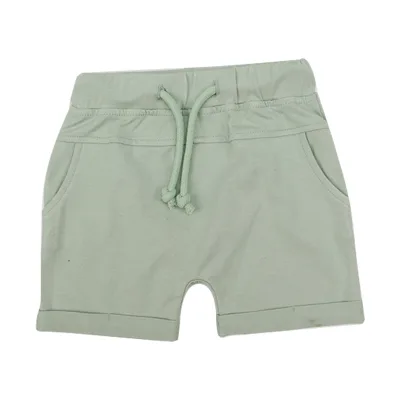


Full Length Stretch Leggings Sustainable Soft Bamboo Viscose Pants for Kid
$3.29 - $3.75
MOQ: 100 Pieces

Baby Girls Boys Viscose From Bamboo Bloomers Shorts High Waisted Short Pants
$1.69 - $3.99
MOQ: 100 Pieces

Boys Trousers Kids Black Pants Bamboo Cotton Spandex Blended Casual Long Pants
$2.99 - $12.99
MOQ: 30 Pieces


Eco-Friendly Bamboo Pants Baby Pull on Pant Super Soft Cute Kid's Clothes
$3.39 - $3.78
MOQ: 100 Pieces
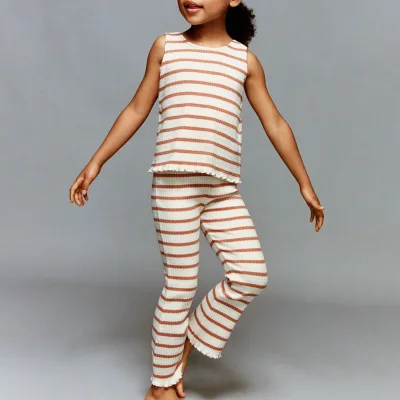

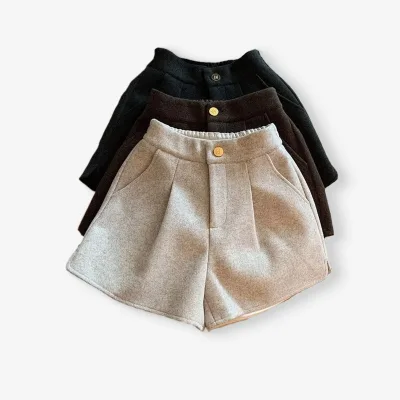


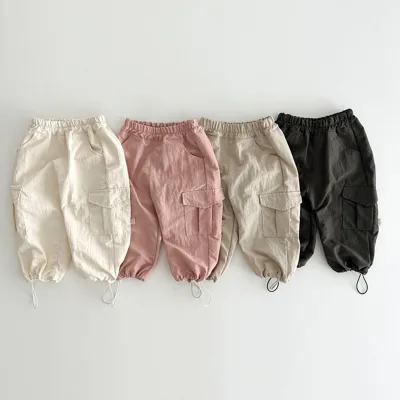
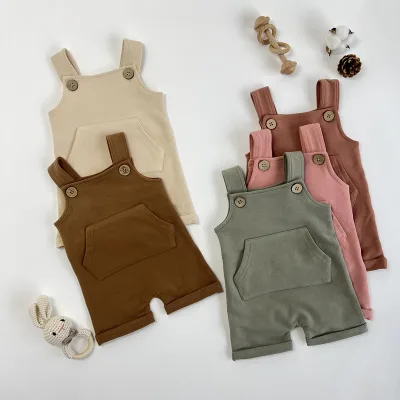

Comprehensive Sourcing Guide
Eco-Friendly Bamboo Viscose Kids Pants Sourcing Guide
Sourcing children’s apparel requires a delicate balance between aesthetic appeal, functional performance, and rigorous safety compliance. When focusing on eco-friendly bamboo viscose kids pants, buyers must navigate a supply chain that emphasizes sustainable material sourcing alongside durable construction suitable for active toddlers. The market offers a variety of styles, from loose-fitting joggers to slim-fit trousers, each serving different seasonal and activity-based needs. Understanding the specific material compositions and manufacturing techniques is essential for ensuring that the final product meets both environmental claims and practical wearability standards.
This guide provides a structured approach to evaluating suppliers and products in this niche. It draws upon observed market data and trusted category knowledge to help procurement professionals make informed decisions. By focusing on key verification steps, commercial terms, and quality control measures, buyers can mitigate risks associated with greenwashing, inconsistent sizing, and supply chain delays. The following sections detail the critical aspects of sourcing these garments, ensuring that every decision is backed by evidence and best practices.
Product Scope and Observed Listing Signals
The current market landscape for children’s pants reveals a diverse range of product attributes, with significant variation in material composition and style. Observed listings indicate that while some products are explicitly marketed as bamboo-based, others utilize cotton, denim, or corduroy, highlighting the importance of precise specification verification. For instance, specific models have been identified with a material blend of 68% bamboo, 27% organic cotton, and 5% spandex, offering a balance of softness, breathability, and stretch. In contrast, other listings feature pure cotton or denim constructions, which serve different functional purposes such as durability or structured aesthetics. Buyers must carefully distinguish between these material types to ensure alignment with their specific product requirements.
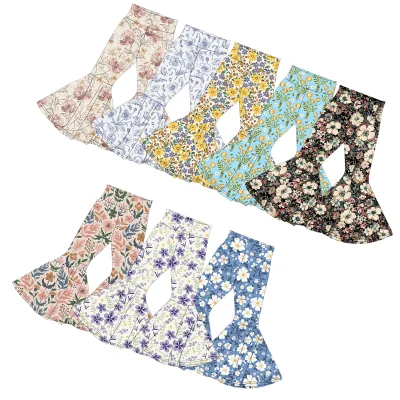
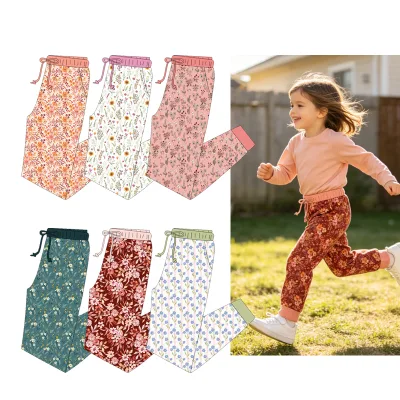
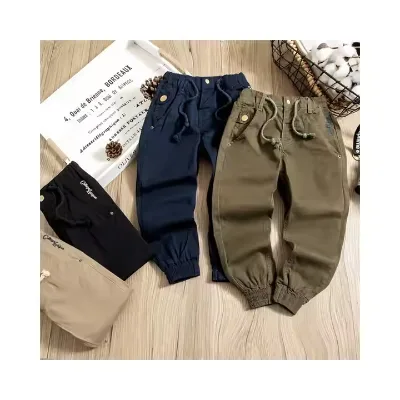
Style and fit variations are equally critical in this category, as they directly impact consumer satisfaction and return rates. The observed data shows a wide spectrum of styles, including sweatpants, joggers, and straight-leg trousers, with fits ranging from loose to slim. Specific model numbers such as MH-162 and MD-22 correspond to distinct design features, such as ankle-length cuts or bell-bottom legs. Additionally, seasonal appropriateness is a key differentiator, with some products designed for spring and autumn wear, while others are tailored for summer conditions. Understanding these distinctions allows buyers to curate a collection that addresses diverse customer preferences and climatic needs, rather than relying on generic assumptions about children’s apparel.
Technical Specifications to Verify
Material composition is the primary technical specification that requires rigorous verification, particularly when eco-friendly claims are involved. Buyers should confirm the exact percentage of bamboo viscose, organic cotton, and synthetic fibers like spandex in the fabric blend. This information is crucial for assessing the garment’s breathability, elasticity, and overall comfort. For example, a blend containing spandex enhances flexibility, which is essential for active children, while a higher bamboo content may contribute to the desired softness and thermal regulation. It is also important to verify the fabric type, such as jersey or plain dyed finishes, as these affect the drape and texture of the final product. Misalignment between claimed and actual material content can lead to quality disputes and customer dissatisfaction.
Fit and dimensional specifications are equally vital for ensuring consistency across production batches. Buyers must verify details such as trouser leg style, thickness, and overall model fit, as these attributes influence the garment’s silhouette and functionality. Specifications like "loose" or "slim" fit, along with "normal" thickness, provide a baseline for quality control. Additionally, single package dimensions and gross weight should be confirmed to optimize logistics and shipping costs. For instance, a single gross weight of 0.200 kg and specific package sizes can significantly impact freight efficiency. Verifying these technical details early in the sourcing process helps prevent discrepancies between samples and bulk production, ensuring that the final products meet the intended design and performance standards.
Compliance and Safety Documentation
Safety compliance is non-negotiable in the children’s apparel sector, requiring strict adherence to international and regional standards. Buyers must ensure that suppliers provide relevant safety certifications, such as OEKO-TEX or FSC, which validate the environmental and chemical safety of the materials used. These certifications are critical for verifying that the bamboo viscose and organic cotton components are free from harmful substances, ensuring the garments are safe for direct skin contact. While specific certification statuses may vary by supplier, the presence of such documentation is a strong indicator of a supplier’s commitment to quality and regulatory compliance. Buyers should request and review these certificates to mitigate risks associated with chemical exposure and environmental impact.
In addition to material safety, buyers must verify that the manufacturing processes adhere to ethical and environmental standards. This includes assessing the supplier’s ability to provide traceability for raw materials, particularly for bamboo and organic cotton sources. Documentation should also cover the dyeing and finishing processes, ensuring that they comply with regulations regarding restricted substances and wastewater management. By prioritizing suppliers with robust compliance frameworks, buyers can protect their brand reputation and ensure that their products meet the growing consumer demand for ethically produced children’s clothing. This due diligence is essential for maintaining trust and loyalty in a competitive market.
Cost Drivers and Commercial Terms
Several factors influence the cost structure of eco-friendly bamboo viscose kids pants, with material composition and customization options being primary drivers. The use of organic cotton and bamboo viscose typically commands a premium compared to conventional synthetic materials, reflecting the higher costs of sustainable sourcing and processing. Additionally, features such as customized logos, specific colorways like mint or light blue, and tailored fits can increase production costs. Buyers should carefully evaluate these variables to understand their impact on the final price and ensure that the cost structure aligns with their target margins. Transparency in pricing breakdowns is essential for effective budget management and negotiation.
Commercial terms, including minimum order quantities (MOQ) and lead times, also play a significant role in the procurement process. Observed MOQ ranges vary widely, from as low as 1 piece to 1500 pieces, allowing for flexibility in order sizing based on inventory needs and market testing strategies. Lead times for samples and bulk production should be clearly defined, with some suppliers offering support for 7-day sample order lead times. Understanding these terms helps buyers plan their inventory cycles and manage cash flow effectively. It is advisable to negotiate favorable terms that balance cost efficiency with supply chain reliability, ensuring timely delivery and minimizing stockouts or excess inventory.
Supplier Qualification and Quality Control
Supplier qualification is a critical step in ensuring the reliability and consistency of the supply chain. Buyers should assess suppliers based on their production capabilities, quality control systems, and track record in the children’s apparel sector. Key indicators of a qualified supplier include their ability to provide OEM services, customized logo options, and consistent product quality across batches. Suppliers located in regions like Shandong, China, may offer competitive advantages in terms of manufacturing expertise and infrastructure, but buyers must verify their operational standards and compliance with international regulations. Due diligence in supplier selection helps mitigate risks associated with production delays and quality inconsistencies.
Quality control measures should be implemented throughout the production process, from raw material inspection to final product testing. Buyers should establish clear quality standards and conduct regular audits to ensure that suppliers adhere to these requirements. This includes verifying fabric composition, stitching quality, and dimensional accuracy against approved samples. Implementing a robust quality control protocol helps identify and address issues early, reducing the likelihood of defects in the final products. Additionally, buyers should maintain open communication with suppliers to facilitate continuous improvement and address any concerns promptly. A proactive approach to quality management ensures that the final products meet the highest standards of safety and performance.
Long-Term Procurement Checks
Sustainable sourcing practices require ongoing monitoring and evaluation to ensure that suppliers continue to meet environmental and ethical standards. Buyers should regularly review supplier performance metrics, including compliance with sustainability certifications, labor practices, and environmental impact assessments. This continuous monitoring helps identify potential risks and opportunities for improvement, ensuring that the supply chain remains aligned with the brand’s values and regulatory requirements. By prioritizing long-term relationships with suppliers who demonstrate a commitment to sustainability, buyers can contribute to a more responsible and resilient supply chain.
Market trends and consumer preferences are constantly evolving, necessitating regular updates to procurement strategies. Buyers should stay informed about emerging materials, technologies, and design trends in the children’s apparel sector to remain competitive. This includes exploring new eco-friendly fabric options, innovative manufacturing techniques, and shifting consumer demands for personalized and sustainable products. By adapting to these changes, buyers can ensure that their product offerings remain relevant and appealing to target audiences. Continuous innovation and strategic planning are essential for maintaining a competitive edge and driving long-term growth in the dynamic children’s apparel market.
FAQs
What materials are used for these toddler sweatpants?
The fabric consists of 68% bamboo, 27% organic cotton, and 5% spandex. This blend ensures the pants are breathable and eco-friendly while providing necessary stretch for active toddlers.
Can I request a customized logo on the product?
Yes, customized logos are available for this product. The supplier offers OEM custom services allowing buyers to personalize the sweatpants with their own branding or design elements.
What is the lead time for sample orders?
Sample orders can be supported with a lead time of 7 days. This allows buyers to quickly evaluate the quality and fit before committing to larger production runs.
Which age groups are these sweatpants designed for?
These pants are suitable for children aged 2, 3, 4, and 5 years. The design targets toddlers and young children with a loose and comfortable fit for spring and autumn seasons.
Where are these products manufactured?
The products originate from Shandong, China. This location is the confirmed place of origin for the listed toddler sweatpants and related children's clothing items.
What styles are available for these kids pants?
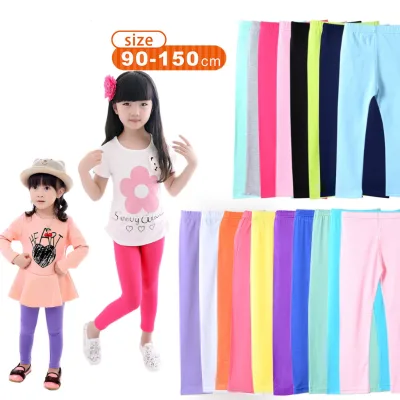
Available styles include sweatpants, joggers, and leisure trousers with straight or skinny legs. The collection features solid patterns and comes in colors like mint and light blue.